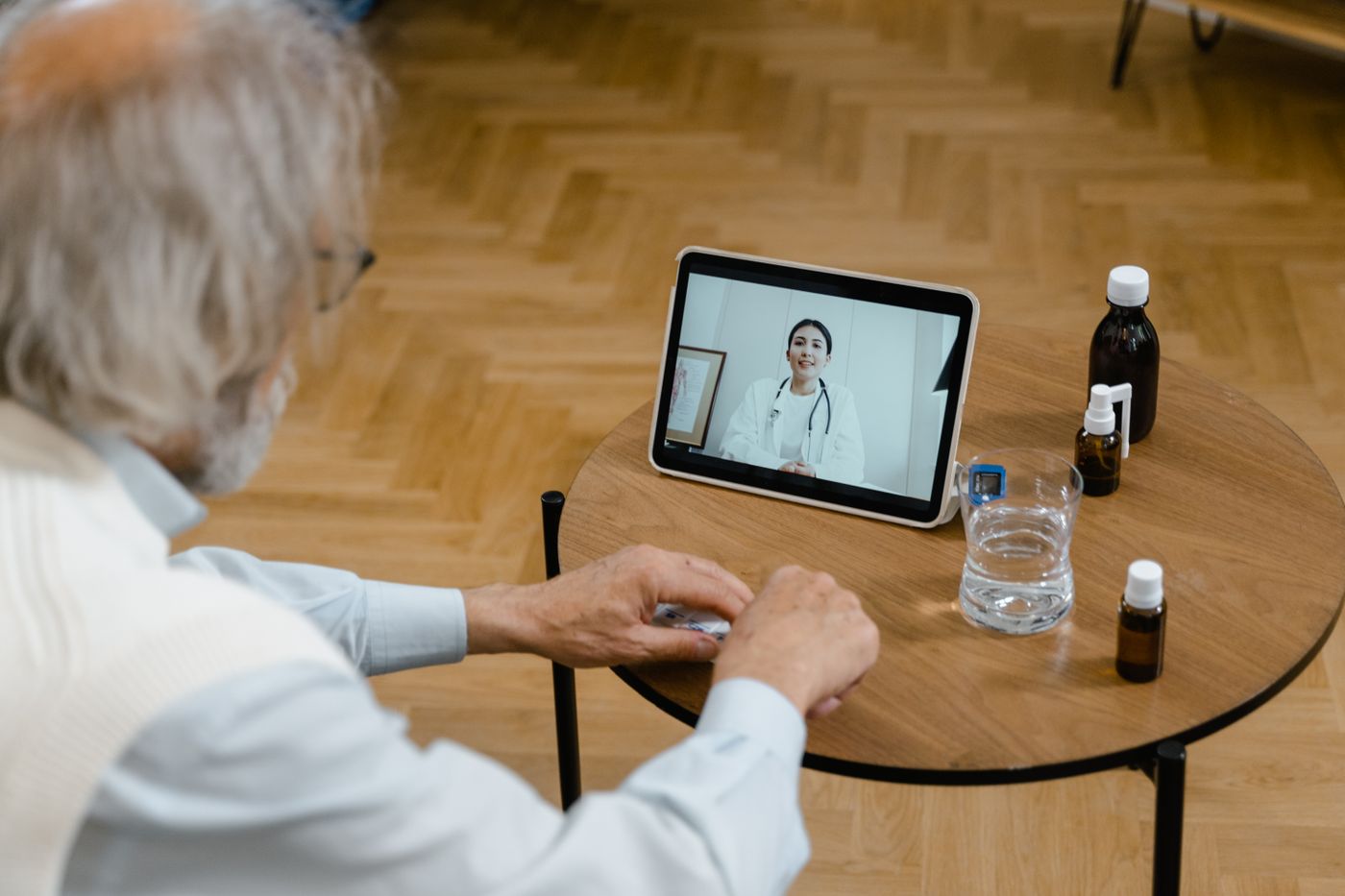
Telehealth and telemedicine have revolutionized the healthcare industry by making medical services more accessible. The next wave is quieter than the first — less about the video call itself, more about everything around it. Here's what we're watching.
Smarter triage before you book
Symptom checkers are growing up: instead of alarming lists, modern triage asks adaptive questions and routes you to the right specialty — or tells you honestly that you need in-person care. Expect intake to get shorter and matching to get sharper.
Remote monitoring goes mainstream
Blood-pressure cuffs, glucose monitors, and pulse oximeters now sync straight to your chart. Your doctor sees weeks of data instead of one office snapshot, which transforms chronic-care decisions.
Prescriptions without the pharmacy line
E-prescribing plus same-day delivery means treatment starts hours sooner. Adherence tracking — gentle reminders, not scolding — closes the loop for medications that only work if taken.
AI as assistant, never replacement
The most promising tools draft visit notes, flag drug interactions, and surface relevant history — freeing your doctor to do the human part: listen, explain, and decide with you. At Doorlight, every diagnosis remains a licensed physician's call.
Technology should make care feel more personal, not less. That's the standard we hold every new tool to before it touches a patient visit.
Key takeaways
- • Triage, monitoring, and delivery are improving fastest.
- • Home devices turn snapshots into continuous insight.
- • AI assists doctors; licensed physicians decide.